
Potato Please Review: A Strange, Satisfying Job
A Potato Please review of the peeling loop, automation, story and performance, and whether the $8.99 launch price is worth it.
Potato Please is a first-person peeling job that turns a boring chore into a surprisingly absorbing production puzzle. The first hour is slow, the middle is a satisfying machinery climb, and the ending is bleaker than the store page suggests. At $8.99, it is easy to recommend to anyone who liked the idea of Papers, Please but wanted more potatoes and fewer forms.
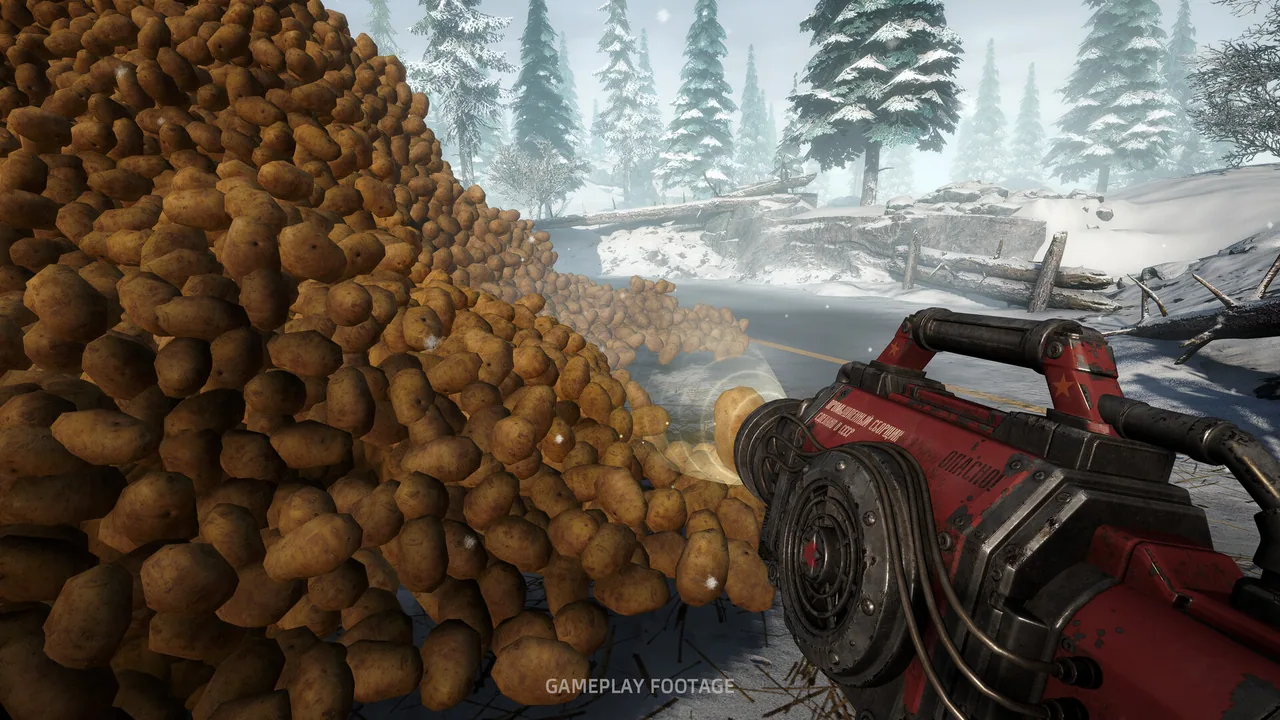
The game is not a power fantasy. You are a worker in a Soviet-style depot, peeling potatoes for an army that never appears, with a quota that keeps growing. The humor is dry, the atmosphere is cold, and the loop is moreish.
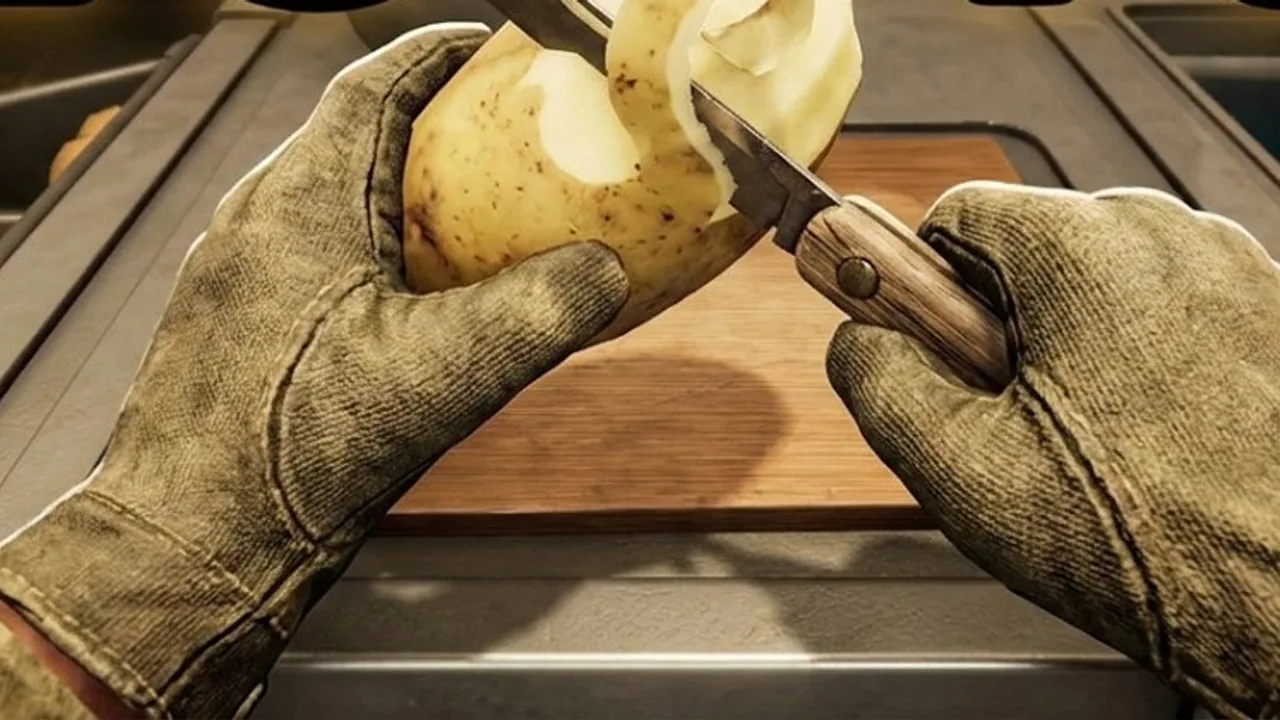
This review is based on the finished 1.0.1 build, from the first shift through the 60,000-potato quota. It does not score the pre-release demo.
What do you actually do?
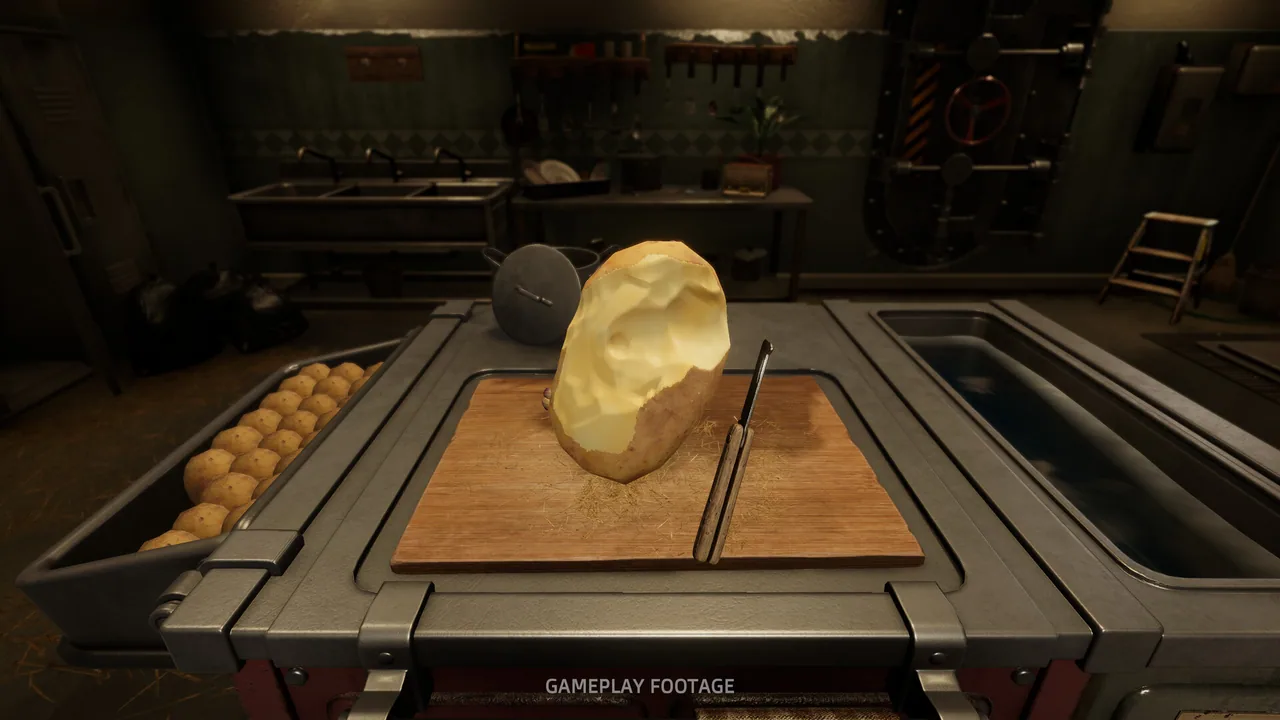
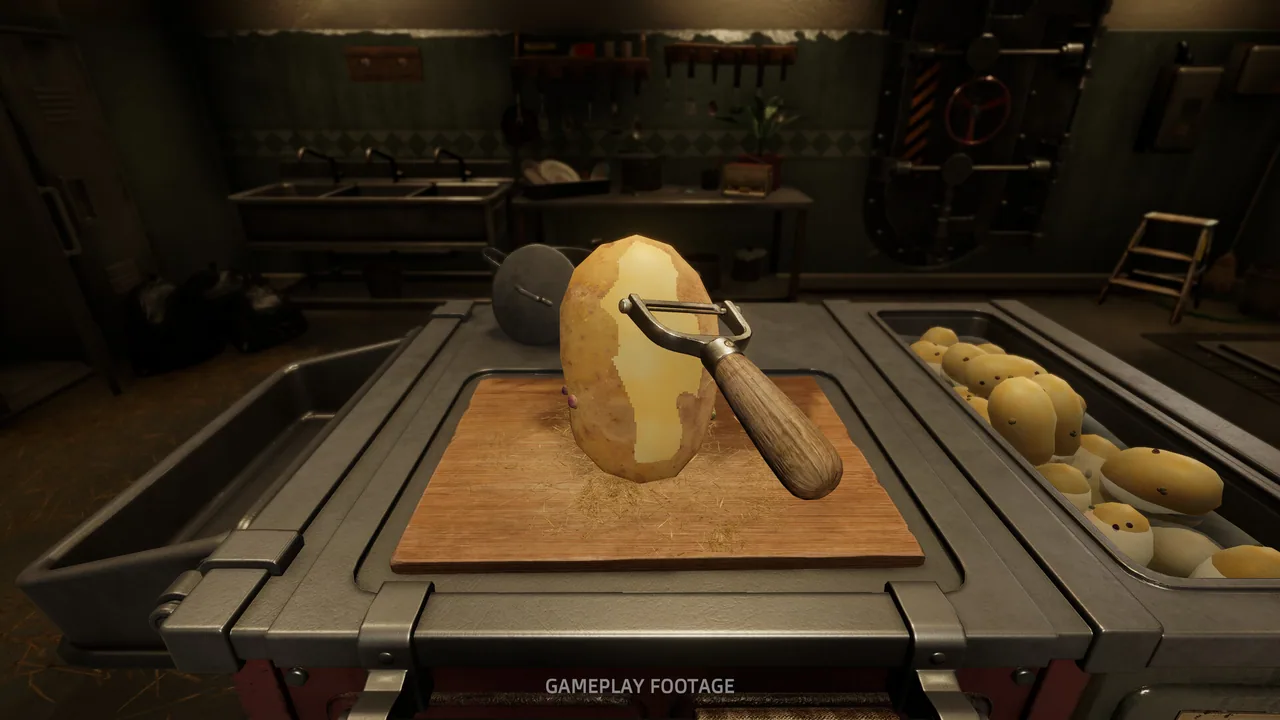
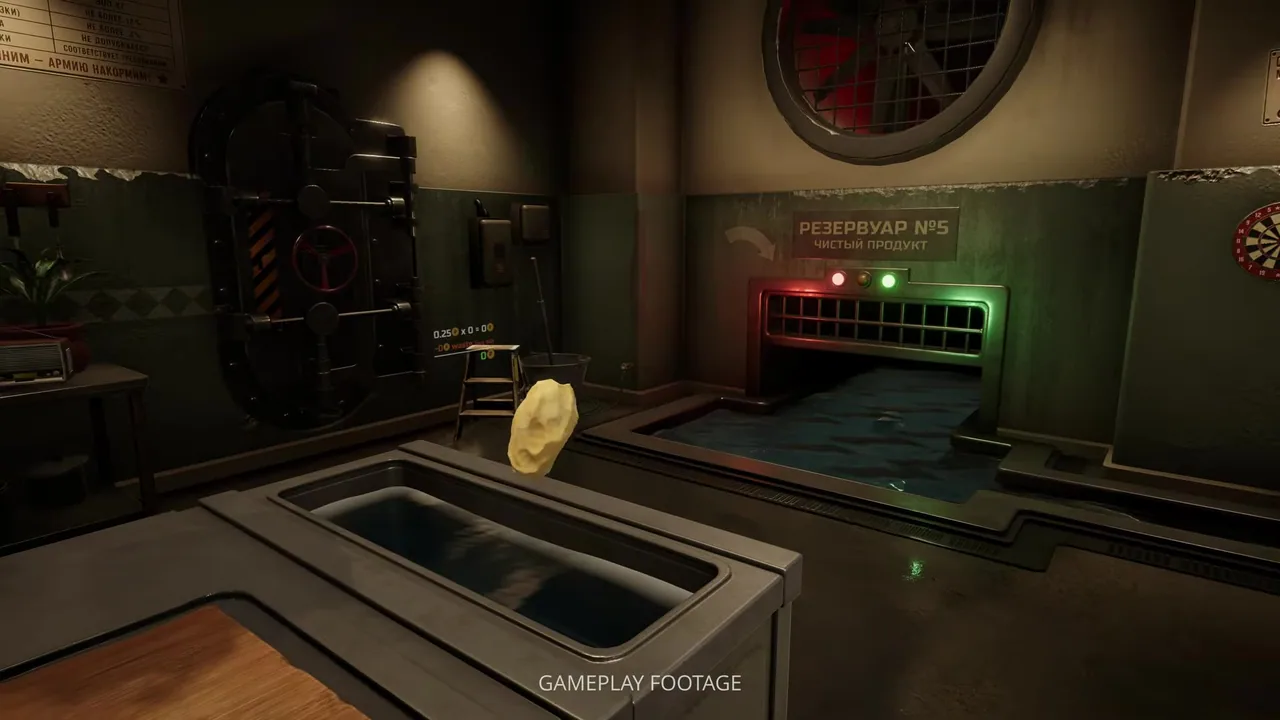
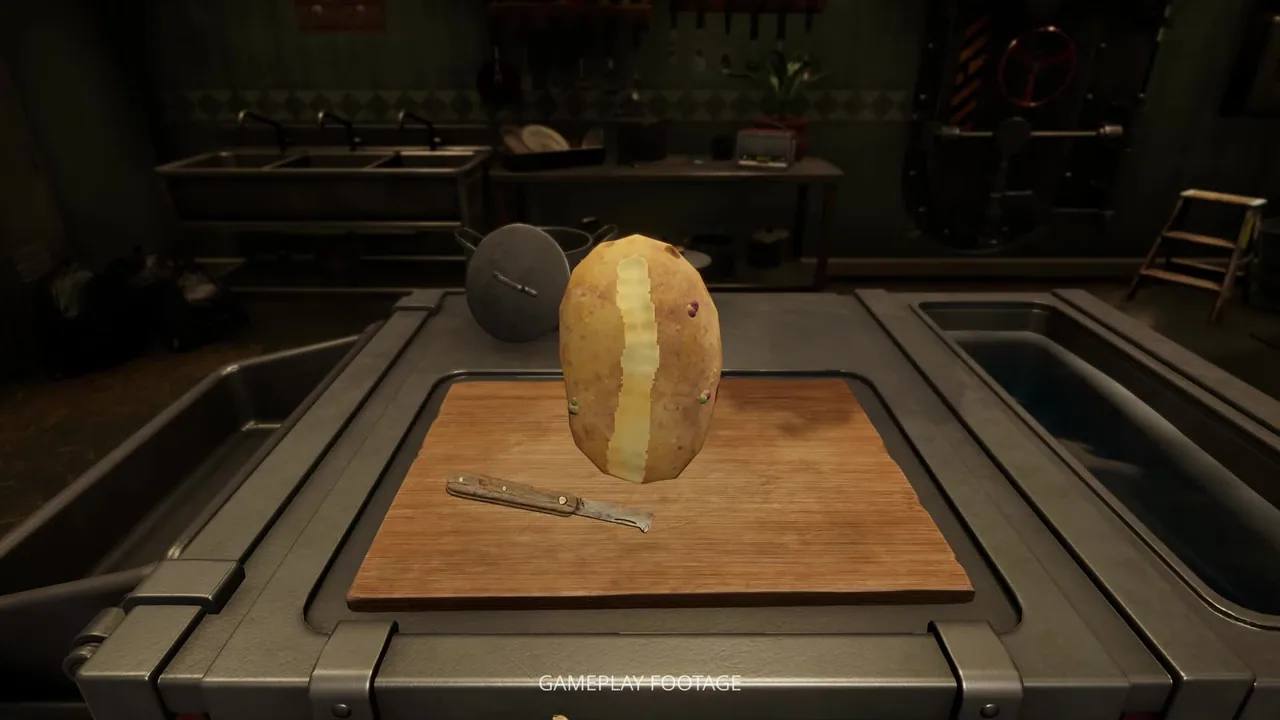
You peel potatoes. At first, you do it by hand: pick a potato, hold the knife, shave the skin, drop the clean potato into the chute. Then you buy a table, a crank peeler, and eventually machines that peel while you carry sacks and clear blockages.
The loop expands from manual labor to logistics. The game is at its best when you are no longer peeling but managing a line: feeding machines, clearing output, moving sacks, and watching the counter climb. That transition is the whole pitch.
The first thirty minutes are the weakest. The knife is rough, the walk is long, and the game does not explain much. If you can get past the first payment and buy the Steel Knife and Carry Capacity, the pace improves quickly.
How does the automation feel?
The automation is the best part. The first Auto Peel Machine at $280 changes the game from a peeling sim to a tiny factory. The Sack Gantry, Wheelbarrow, cableway, crane, and Overclock each add a new logistics problem.
The machines are not magic. They need input, output space, and maintenance. A line that is not fed is a line that does nothing. The game rewards players who watch the queue and punish those who buy machines without a layout.
The 1.0.1 patch improved this significantly. Potatoes no longer jam in the hopper, the output chute no longer leaks, and the crane autopilot re-piles on a timer. The launch version was rougher; the current version is the one to review.
How is the story?
The story is sparse but effective. Pavel's letters, the resistance notes in the potatoes, the dog, and the three train endings give the depot a sense of life beyond the quota. The ending is not a triumphant victory; it is a choice between three imperfect systems.
The tone is deadpan. The Ministry posters, the Russian signage, and the snow do most of the world-building. If you want a dense narrative, this is not it. If you want a game that makes you feel like a cog in a machine, it works.
The political allegory is obvious, but the game does not lecture. It lets the quota and the train do the talking.
How does it perform?
The game ran smoothly on the test machine at 1080p with a mid-range GPU. The store lists a GTX 1060 or RX 580 as the minimum and an RTX 2070 or RX 5700 XT as recommended. The visual style is not photoreal, so the requirements are mostly for the physics and the potato count.
The 1.0.1 patch fixed ultrawide menu clipping and several input bugs. If you play with a controller, update before starting; the launch version had issues with steering wheels, pedals, and virtual joysticks causing automatic movement.
The game supports cloud saves, achievements, full controller input, and family sharing. It is Windows-only at the time of writing.
Is it worth $8.99?
Yes, if the loop sounds appealing. The launch discount brought the US price to $8.99 from $9.99, and the game offers several hours of story plus a completion grind. The 100% run in the reference video is about three and a half hours, which is a fair length for the price.
The value depends on whether you enjoy optimizing. If you only want to peel potatoes for an hour and move on, the game is a novelty. If you like production lines and quota games, it is a small gem.
The low price also makes the rough edges easier to forgive. This is not a polished AAA sim; it is a focused indie game with a clear hook.
What are the weaknesses?
The opening is slow. The tutorial does not explain the economy well. The manual peeling can be repetitive before the first machine. The ending is short, and the story leaves some threads unresolved.
The biggest external issue is the clone controversy. Another developer accused the game of copying 1,000,000 Potatoes and using AI. Golden Horn Studios denied it. That debate is separate from whether the game is fun, but it is part of the context. The comparison page → covers the similarities and differences without taking a side.
The game also has no official speedrun timer and a leaderboard with cheating reports. Those are community issues, not reasons to skip the story.
Who should buy it?
Buy it if you like Papers, Please, Unpacking, or factory games and you want a short, strange job sim. Buy it if you enjoy the first hour of a production game more than the last. Skip it if you need a strong narrative or a lot of content for the price.
The game is best played in a few long sessions, not in short bursts. The loop needs time to climb from manual to automatic.
FAQ
Is Potato Please worth it?
Yes, for fans of job sims and production puzzles. The $8.99 launch price is fair for a three-to-five-hour story plus completion.
How long is Potato Please?
A story run takes a few hours; a 100% run is about three and a half hours in the reference video. Your time depends on how quickly you build the line.
Does it have multiplayer?
No. It is a single-player game with Steam achievements, cloud saves, and controller support.
Is it scary or violent?
It is not a horror game, but it has a bleak tone and implied violence at the perimeter and in the endings. The peeling itself is not gore.
Official source: Potato Please on Steam ↗
Community source: 100% completion playthrough, 3h36m ↗
The 1.0.1 hotfix notes ↗ cover the performance and input fixes. The Steam discussions hub ↗ has player impressions and the clone thread.
More Potato Please Guides
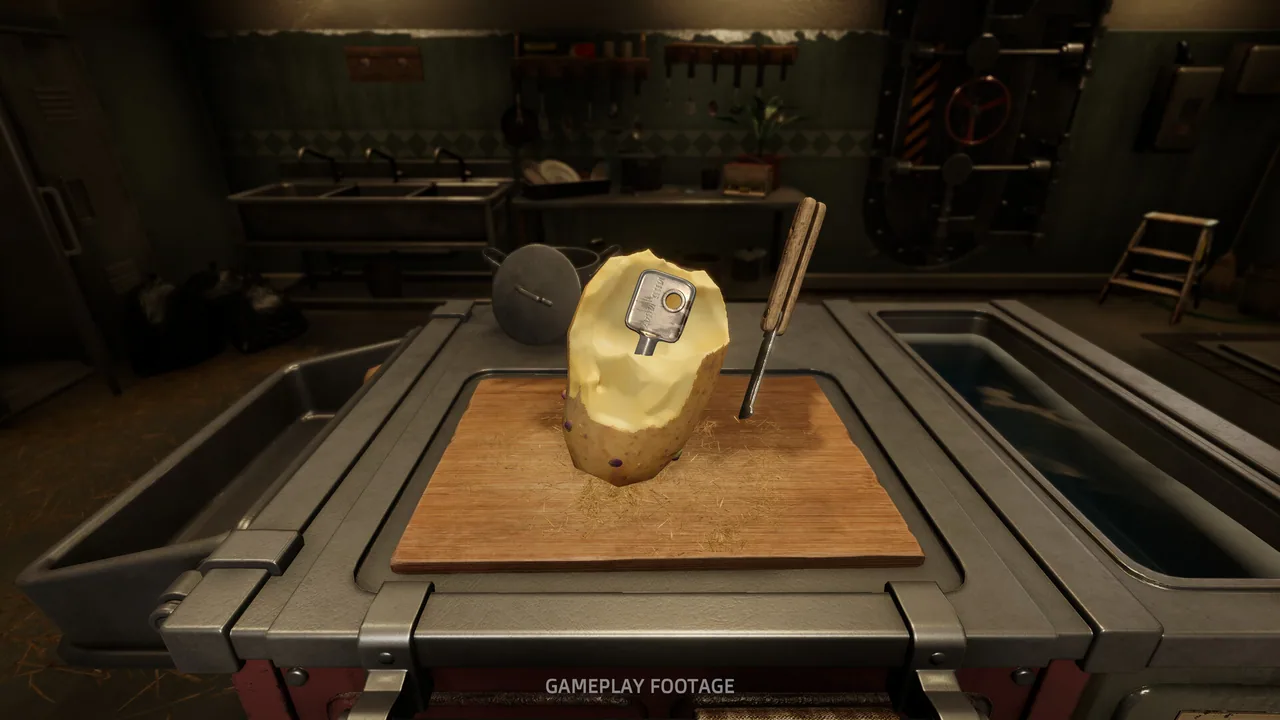
Potato Please Achievements Guide: All 20 Unlocks
All 20 Potato Please achievements, how to unlock each one, the hidden ending triggers, and the three unlocks nobody has fully solved.

Potato Please All Endings: Every Route Explained
Every Potato Please ending explained: the three train routes, the hidden outcomes, how to replay the final choice and unlock Every Path Has a Price.
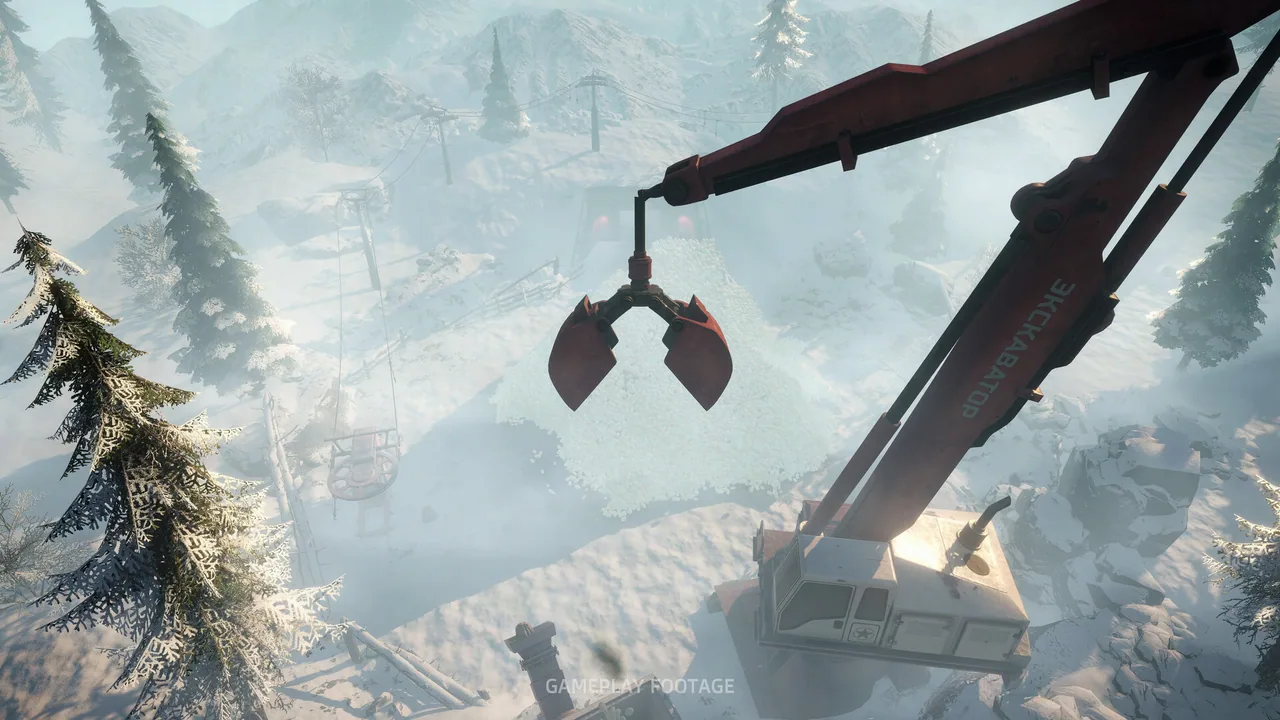
Potato Please Automation: Layout and Fixes
Build a Potato Please automation line that keeps every peeler fed, with layout advice, throughput fixes and machine priorities.
Potato Please Beginner Guide: The First Two Hours
A practical Potato Please beginner guide for the first shift, the first $300, and the mistakes that stall your quota before automation.
Potato Please Best Knife: Steel vs Rusty
The best knife in Potato Please is the Steel Knife at $2.70. See why it beats the Rusty Knife, when to buy it and what it cannot fix.
Potato Please Best Tools: Ranked for Each Phase
The best tools in Potato Please by phase, from the Steel Knife to the Auto Peel Machine, with prices and the jobs each one actually does.
Potato Please Controls: Keyboard, Mouse and Gamepad
Every Potato Please control for PC, plus the 1.0.1 input fixes, gamepad support, tremor settings and rebinding problems.

Potato Please Difficulty: Standard vs Hard
What changes in Potato Please Hard mode, how Strict peeling works, and whether any achievement requires the harder setting.